
Introduction to Parking Technology
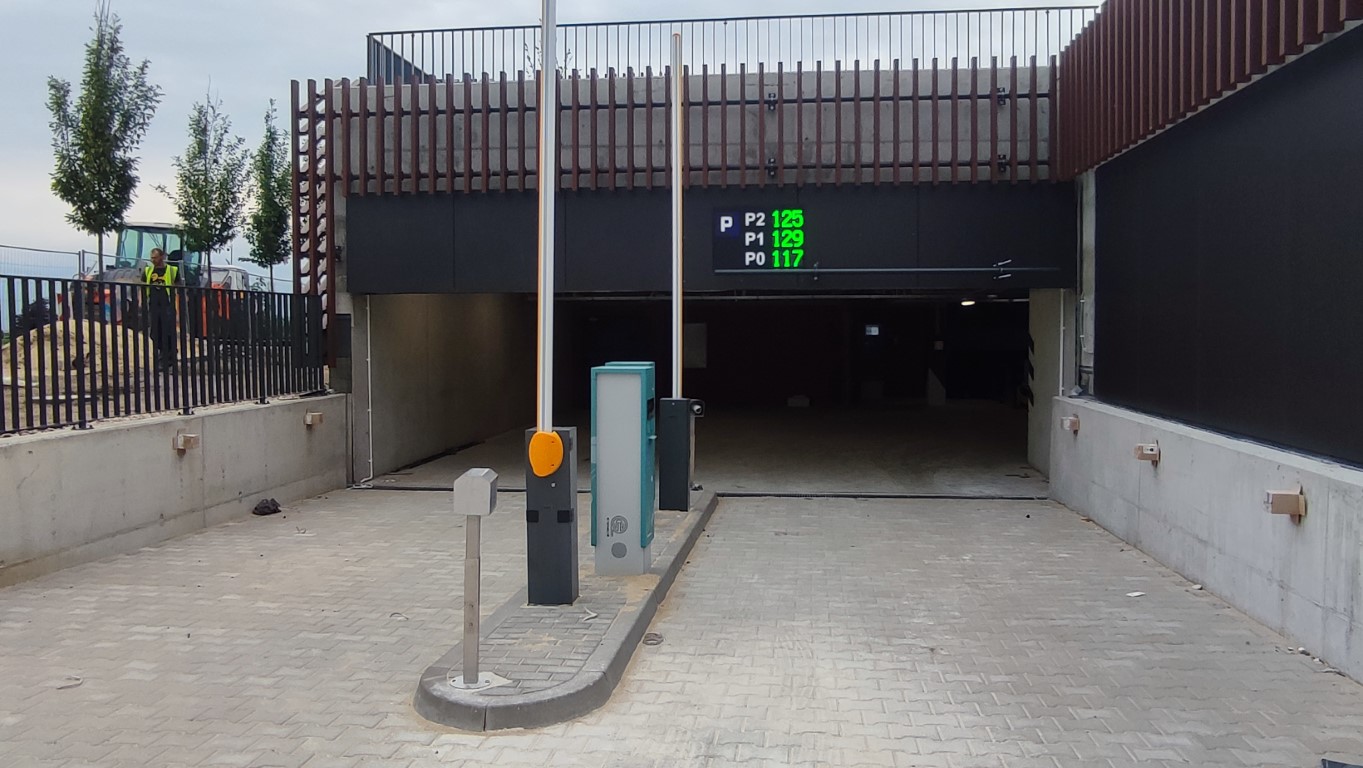
In recent years, the parking industry has witnessed a significant transformation due to the advent of advanced technologies. These innovations are not just about making parking easier but also about enhancing the overall efficiency, convenience, and security of parking systems. This article delves into the evolving landscape of parking technology, highlighting the need for innovation, the advancements in parking control systems, and the future trends that are set to revolutionize how we park our vehicles.
The Need for Innovation in Parking
The parking industry is facing several challenges that necessitate innovation. Traditional parking management systems often result in inefficiencies, leading to frustration for both drivers and parking operators. With urban areas becoming increasingly congested, finding a parking spot can be a daunting task, contributing to traffic issues and environmental concerns.
Outdated Systems and Their Limitations
Outdated parking control systems are plagued with problems such as limited payment options, lack of real-time information, and inadequate security measures. These issues not only inconvenience drivers but also result in lost revenue for parking operators due to unoptimized parking space utilization and inefficient enforcement.
Emerging Technologies to the Rescue
Fortunately, new technologies are emerging to address these challenges. Parking gate systems are also being developed to provide access control to parking lots based on permissions. From automated parking systems to smart parking solutions, these innovations are designed to streamline the parking process, enhance security, and improve the overall user experience. These technologies promise a future where parking is no longer a hassle but a seamless part of the urban experience.
Parking Control Systems
Parking control systems have evolved dramatically over the years. What began as simple manual security measures have now transformed into sophisticated automated systems. These advancements have not only improved the efficiency of parking operations but also enhanced security and user convenience.
Evolution of Parking Control Systems
The evolution of parking control systems can be traced back to the introduction of basic barriers and ticketing systems. Over time, these systems have become more advanced, incorporating features such as access control, revenue management, and real-time monitoring. Today’s parking control systems are a far cry from their rudimentary predecessors, offering a range of functionalities designed to optimize parking operations.
Types of Parking Control Systems
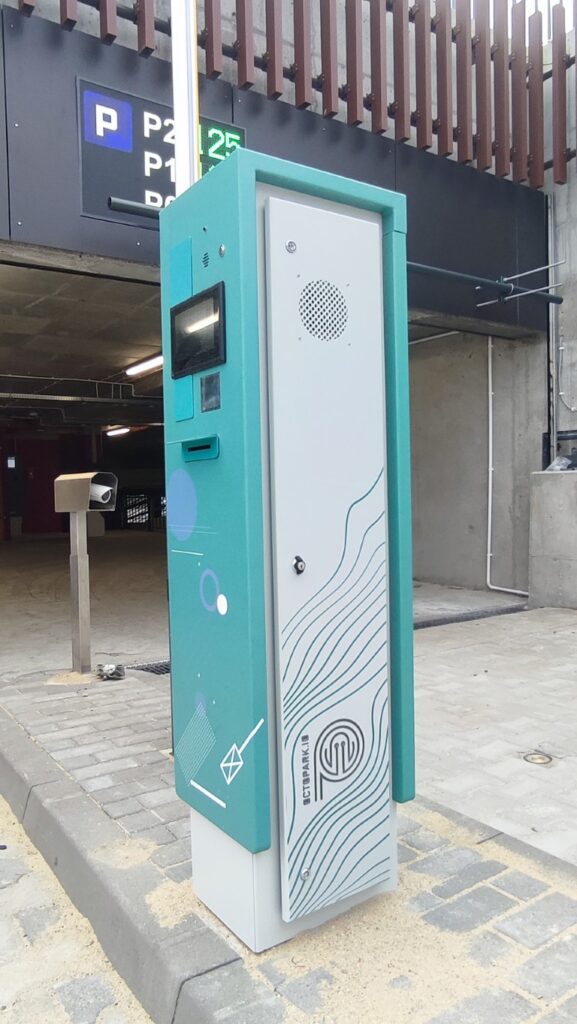
- Gated Parking Systems Gated parking systems are one of the most common types of parking control systems. They typically include barrier gates and access control readers, which restrict entry to authorized vehicles. These systems can be equipped with various payment methods, including cash, credit card, and mobile payments.
- Metered Parking Systems Metered parking systems are prevalent in urban areas where parking spaces are limited. These systems use pay stations or parking meters to manage time-limited parking. Drivers pay for a specified duration, and the system monitors the parking duration to enforce compliance.
- Automated Parking Systems Automated parking systems represent the pinnacle of parking technology. These systems use license plate readers, smart parking sensors, and other advanced technologies to manage parking spaces automatically. They offer features such as real-time space availability, automated billing, and seamless entry and exit.
Parking Access Control System
A parking access control system is a crucial component of modern parking facilities. It ensures that only authorized vehicles can enter and exit the parking area, thereby providing a safe and secure environment for drivers and their vehicles.
What is a Parking Access Control System?
A parking access control system is a security measure designed to restrict access to a parking facility. It typically includes components such as barrier gates, access control readers, and automated ticketing systems. By verifying the credentials of each vehicle, the system ensures that only authorized users can access the parking area.
Benefits of Parking Access Control Systems
Parking access control systems offer several benefits, including enhanced security, improved traffic flow, and better revenue management. These systems can prevent unauthorized access, reduce the risk of theft and vandalism, and ensure that parking spaces are used efficiently.
Optimizing Parking Spaces
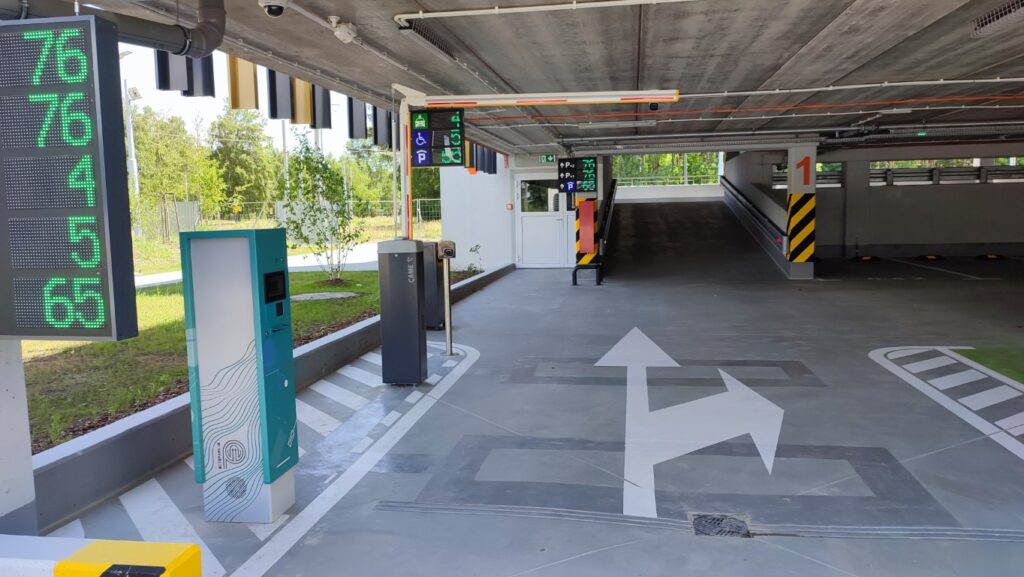
Optimizing parking spaces is essential for maximizing the efficiency of parking facilities. A well-designed parking lot not only accommodates more vehicles but also provides a better experience for drivers.
4 Steps to Parking Lot Design
- Assess the Parking Lot’s Layout and Capacity The first step in optimizing parking spaces is to assess the current layout and capacity of the parking lot. This involves evaluating the dimensions of the lot, the number of spaces, and the overall flow of traffic. By understanding the existing conditions, planners can identify areas for improvement.
- Identify Areas for Improvement and Optimize Parking Spaces Once the assessment is complete, the next step is to identify areas for improvement. This may include reconfiguring the layout to maximize space utilization, adding or removing parking spaces, and implementing measures to improve traffic flow. The goal is to create a layout that accommodates more vehicles without compromising safety or convenience.
- Implement Parking Control Systems and Access Control Measures After optimizing the layout, it’s essential to implement advanced parking control systems and access control measures. These systems can help manage the flow of vehicles, enforce parking regulations, and enhance security. Technologies such as automated ticketing, license plate recognition, and real-time monitoring can significantly improve the efficiency of parking operations.
- Monitor and Adjust the Parking Lot Design for Maximum Efficiency Finally, it’s important to continuously monitor the performance of the parking lot and make adjustments as needed. This may involve collecting data on occupancy rates, traffic patterns, and user feedback. By regularly evaluating the effectiveness of the design, planners can make informed decisions to further optimize the parking facility.
The Future of Parking
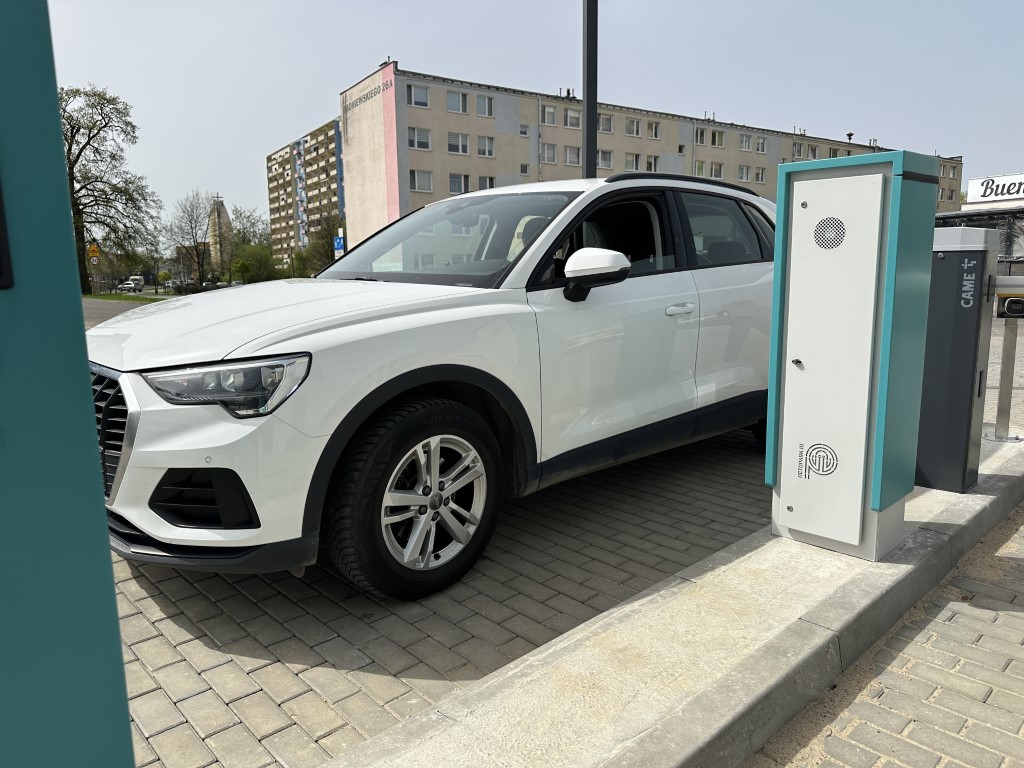
The future of parking is being shaped by several emerging trends and technologies. These innovations promise to transform the way we park, making it more efficient, convenient, and secure.
Integrating Parking Technology with Existing Security
One of the key trends in the future of parking is the integration of parking technology with existing security systems. By combining access control systems, CCTV cameras, and alarm systems, parking facilities can offer a comprehensive security solution. This integration not only enhances security but also improves the overall user experience by providing a seamless and safe environment.
The Role of Parking Technology in Urban Planning
Parking technology is also playing a crucial role in urban planning. As cities become more congested, smart parking systems are helping to reduce congestion and improve traffic flow. These systems use real-time data to guide drivers to available parking spaces, reducing the time spent searching for parking and minimizing traffic congestion.
Cloud-Based Parking Solutions
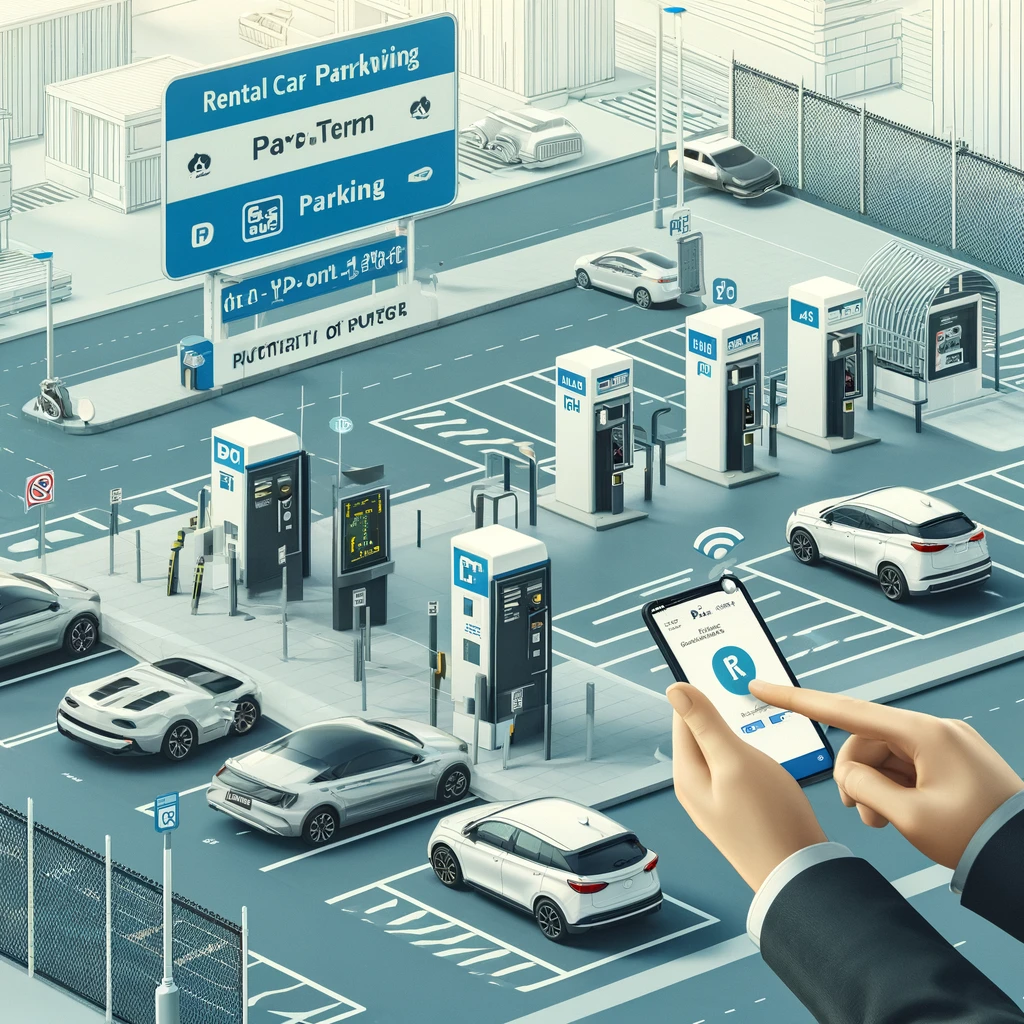
Cloud-based parking solutions are revolutionizing the way parking operations are managed. These solutions offer a scalable and flexible platform for managing parking facilities. With features such as real-time monitoring, automated reporting, and remote access control, cloud-based systems can significantly improve the efficiency of parking operations. They also provide a cost-effective solution for parking operators, as they eliminate the need for expensive on-site infrastructure.
Touchless Parking Systems
In the wake of the COVID-19 pandemic, touchless parking systems have gained popularity. These systems provide a contactless experience for drivers, reducing the need for physical interaction with parking equipment. Technologies such as mobile payments, license plate recognition, and RFID tags are used to facilitate a seamless parking experience. Touchless parking systems not only enhance convenience but also improve hygiene and safety.
Conclusion
The future of parking is here, and it is being shaped by innovative technologies that are transforming the parking industry. From advanced parking control systems to cloud-based solutions and touchless technologies, the possibilities are endless. These innovations are not only making parking more efficient and convenient but also enhancing security and improving the overall user experience. As these technologies continue to evolve, the parking industry is set to become smarter, more efficient, and more user-friendly than ever before.