
Octopark – manufacturer of parking systems

The Need for Efficient Parking Systems
Efficient parking systems are essential for the smooth functioning of urban environments. As cities expand and populations grow, the demand for parking spaces increases, leading to various challenges. Traditional parking methods often fall short in addressing these issues, resulting in congestion, pollution, and inefficiencies that affect both drivers and city planners.
Urbanization and Parking Challenges
Increasing Urban Population and Limited Parking Spaces
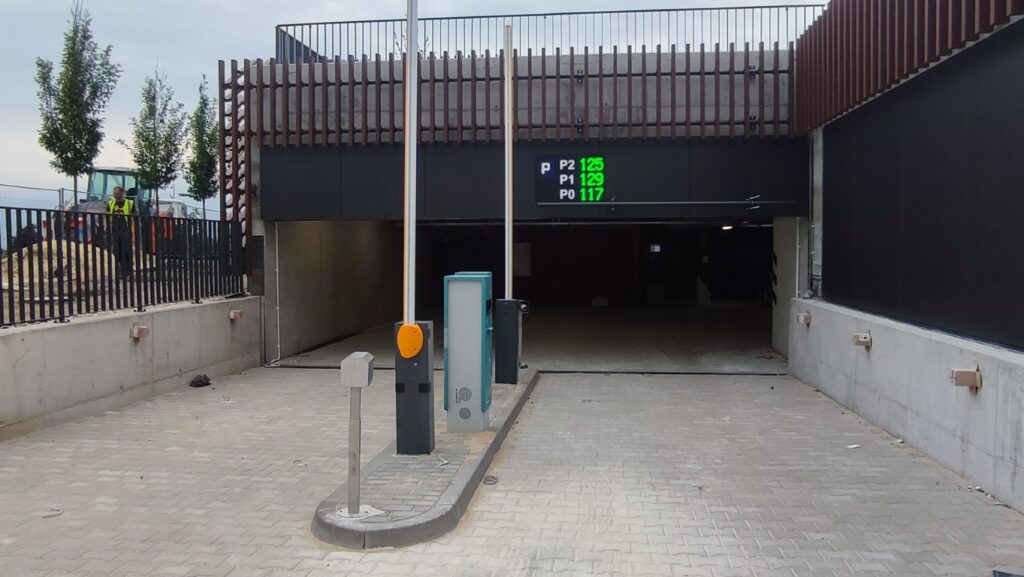
Urban areas are experiencing a surge in population, which directly impacts the availability of parking spaces. The limited number of parking spots in cities leads to fierce competition among drivers, resulting in increased traffic and time spent searching for parking.
Congestion, Pollution, and Safety Concerns
The lack of efficient parking solutions contributes to urban congestion, as drivers circulate in search of spaces. This not only wastes time but also increases vehicle emissions, contributing to air pollution. Furthermore, the chaotic nature of unorganized parking poses safety risks for pedestrians and other drivers.
Inefficient Parking Systems Leading to Wasted Time and Resources
Inefficient parking management systems waste valuable resources, including fuel, time, and manpower. Without proper guidance and technology, parking lots and garages become hotspots of frustration and inefficiency.
Environmental Impact of Inefficient Parking
Air Pollution from Idling Vehicles
Vehicles idling while searching for parking contribute significantly to air pollution. The emissions from these idling engines release harmful pollutants into the atmosphere, exacerbating urban air quality issues.
Urban Heat Island Effect from Large Parking Lots
Large, uncovered parking lots absorb and retain heat, contributing to the urban heat island effect. This phenomenon increases local temperatures, making urban areas hotter and less comfortable for residents.
Waste of Resources and Energy
Traditional parking systems often waste resources and energy. Inefficient lighting, poor space management, and lack of sustainability measures lead to higher operational costs and environmental impact.
Benefits of Optimized Parking Systems
Increased Revenue and Enhanced User Experience
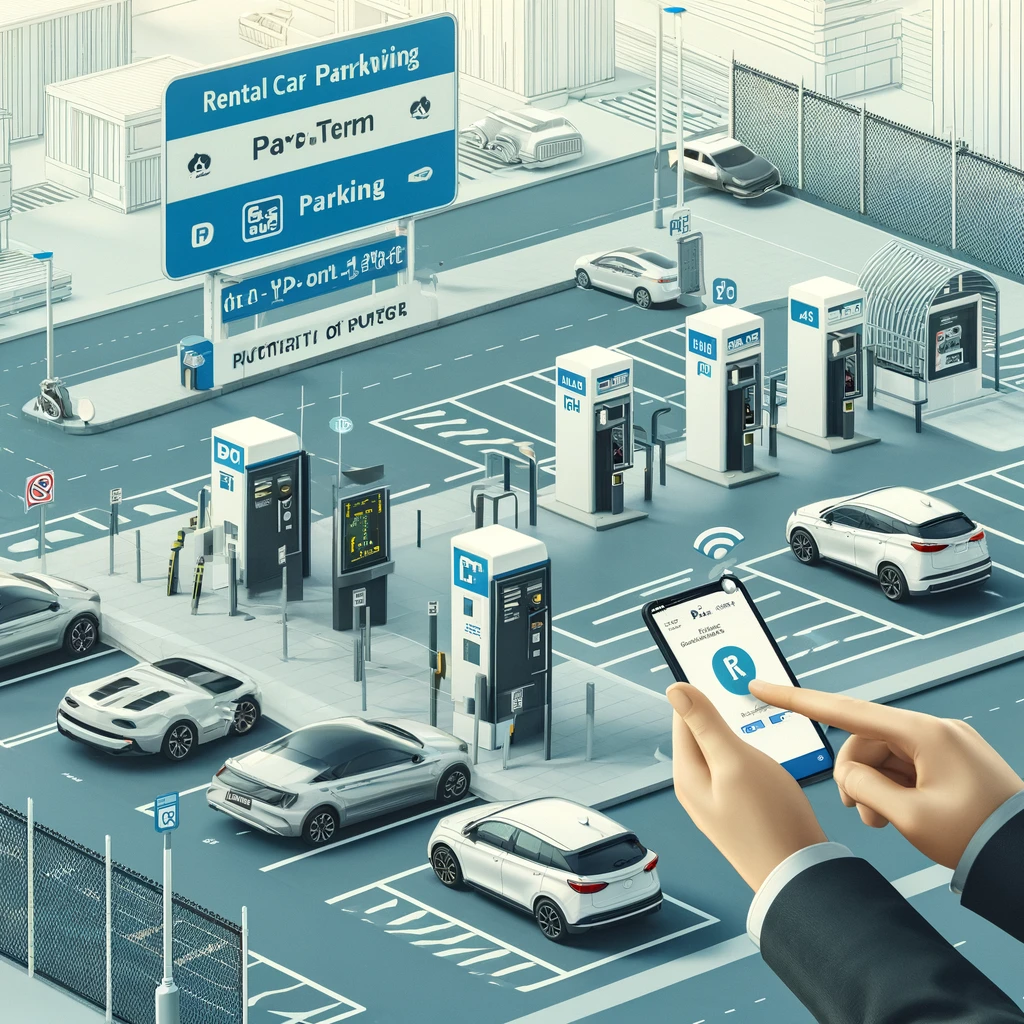
Optimized parking systems can significantly increase revenue for operators by maximizing the use of available spaces. Effective revenue control through various parking payment solutions, managing rates, and controlling access further contributes to this increase. Additionally, improved user experiences through features like guided parking and smart navigation enhance customer satisfaction and loyalty.
Maximizing Parking Capacity and Revenue
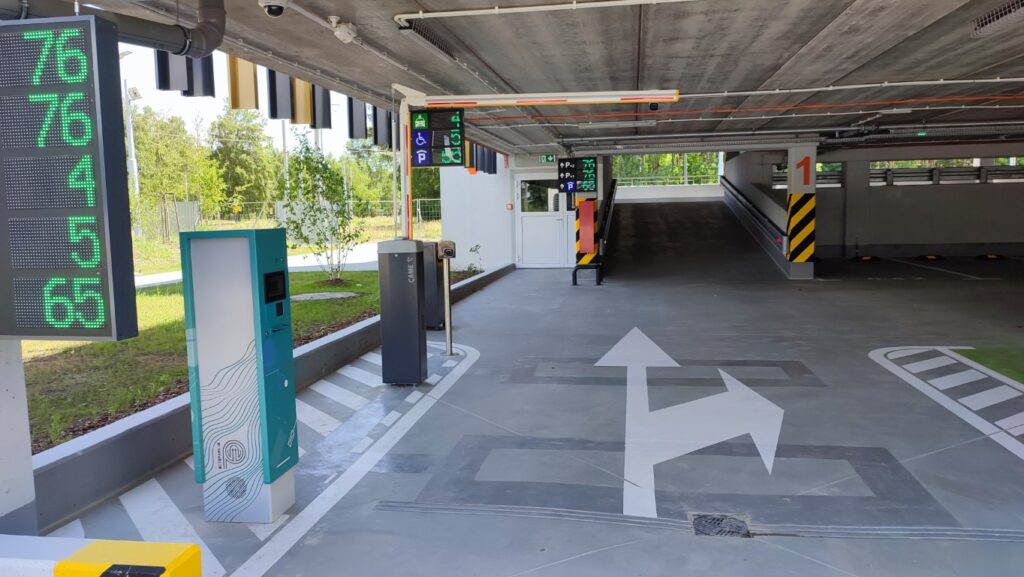
Innovative parking solutions allow for the efficient use of space, increasing the number of vehicles that can be accommodated. This maximizes revenue potential without the need for extensive construction or expansion.
Improved User Experience through Guided Parking and Smart Navigation
Guided parking systems direct drivers to available spots quickly and efficiently, reducing the time spent searching for parking. Smart navigation systems provide real-time updates, helping drivers find the best routes and available spaces.
Enhanced Safety and Security Features
Modern parking systems come equipped with advanced safety and security features, such as surveillance cameras, emergency communication systems, and automated access controls. These measures enhance the safety of both vehicles and pedestrians.
Designing Efficient Parking Systems
Parking Garage Design for Maximum Capacity
Compact and Space-Saving Design
Efficient parking garage designs prioritize space-saving techniques, such as compact layouts and optimized vehicle circulation paths. These designs maximize the use of available space without compromising functionality.
Multi-Level Parking Structures
Multi-level parking structures provide a solution to limited urban space by expanding parking capacity vertically. These structures efficiently use land and can accommodate a large number of vehicles in a relatively small footprint.
Efficient Use of Land and Resources
Well-designed parking systems utilize land and resources efficiently, incorporating features like green spaces, sustainable materials, and energy-efficient technologies. Additionally, parking garages designed for valet parking services enhance customer satisfaction by ensuring professional, efficient, and helpful service from valets, contributing to a positive overall experience.
Sustainable Parking Solutions for Urban Spaces
Implementing a parking system can be highly beneficial for various industries, particularly those that experience high traffic and require efficient parking management. Notable sectors that can greatly benefit from such systems include:
- Airports: With large volumes of travelers, an efficient parking system can streamline traffic flow, reduce congestion, and enhance the overall customer experience.
- Government Offices: These often have a significant number of visitors and employees daily. A parking system can help manage limited parking spaces effectively, ensuring smooth operations.
- Hypermarkets: With a constant flow of shoppers, an automated parking system can optimize space utilization and improve customer satisfaction by reducing the time spent searching for parking.
- Shopping Centers: These venues attract numerous visitors, especially during peak hours. A well-implemented parking system can alleviate traffic issues and provide a seamless parking experience for shoppers.
- High-Traffic Pharmacies: Pharmacies with substantial customer traffic can benefit from a parking system by ensuring quick and convenient access for customers, enhancing their overall service experience.
Green Roofs and Walls for Energy Efficiency
Incorporating green roofs and walls into parking structures enhances energy efficiency and contributes to urban greenery. These features help reduce the heat island effect and improve air quality.
Rainwater Harvesting and Greywater Reuse
Sustainable parking systems can include rainwater harvesting and greywater reuse systems, reducing water consumption and supporting environmental conservation efforts.
Energy-Efficient Lighting and Equipment
Using energy-efficient lighting and equipment in parking facilities lowers operational costs and reduces environmental impact. LED lights, motion sensors, and energy management systems are examples of technologies that improve efficiency.
Automated Parking Solutions
Automated parking solutions offer customizable and modular systems that can be built above or below ground to meet specific requirements of different parking locations. These solutions accommodate various heights, space requirements, and traffic volumes, providing options for fully-automated self-serve systems, walk-up and drive-up payment stations, as well as integrated parking management software and access control systems to effectively manage parking facilities.
Parking Management Systems and Strategies
Dynamic Pricing and Real-Time Availability
Real-Time Parking Availability and Pricing Updates
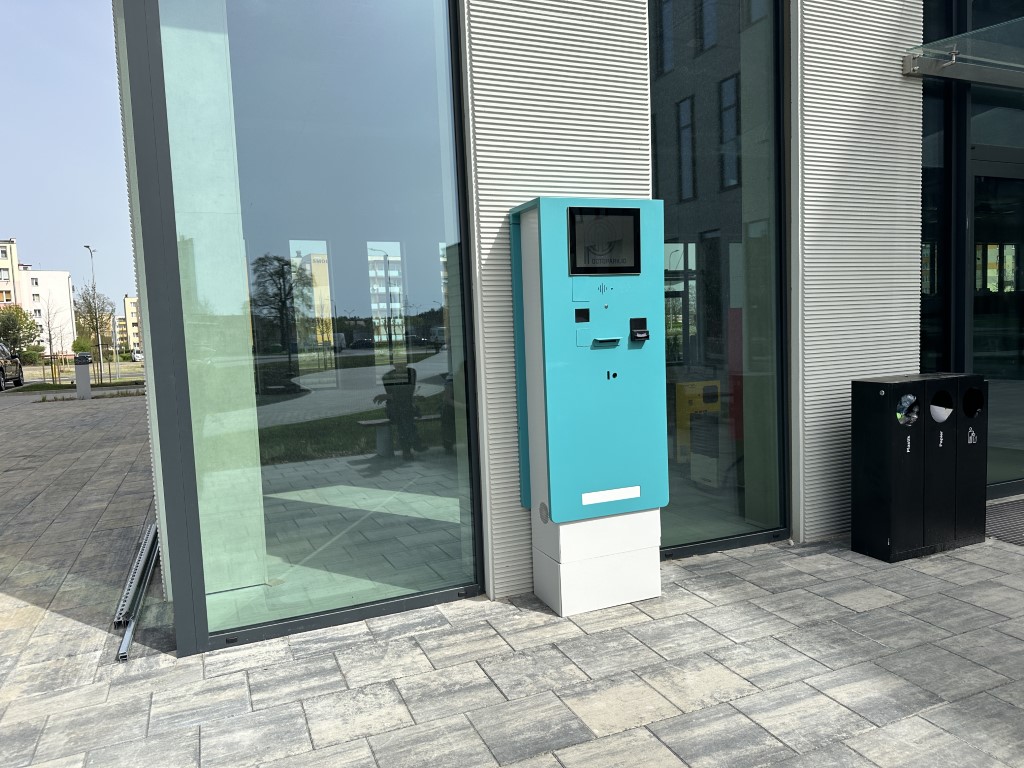
A parking management system with dynamic pricing models and real-time availability updates ensures optimal use of parking spaces. Drivers can receive current information on available spots and pricing, leading to better decision-making and efficient space utilization.
Dynamic Pricing for Optimal Revenue Generation
Dynamic pricing adjusts parking fees based on demand, time of day, and other factors. This strategy maximizes revenue and encourages efficient use of parking spaces.
Integration with Mobile Apps and Digital Signage
Integrating parking systems with mobile apps and digital signage enhances user convenience. Drivers can locate available spaces, pay for parking, and receive updates through their smartphones, reducing the need for physical interactions.
Guided Parking and Automated Parking Solutions
Parking Systems for Easy Parking
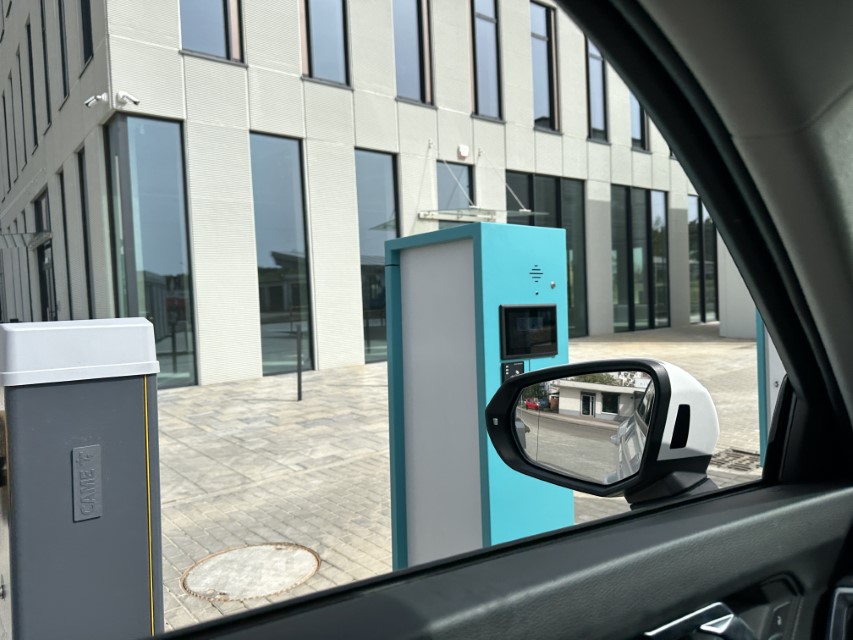
Guided parking systems use sensors and digital displays to direct drivers to available spaces. This technology reduces the time spent searching for parking and minimizes congestion. Additionally, managing parking access through technologies like access control systems and barrier gates is crucial for revenue and security purposes.
Smart Navigation and Wayfinding
Smart navigation systems provide real-time directions to available parking spots, enhancing the overall parking experience. Wayfinding technologies guide drivers through parking facilities, ensuring smooth traffic flow.
Reduced Congestion and Pollution
By efficiently directing vehicles to available spaces, guided parking and smart navigation systems reduce congestion and associated pollution, contributing to a cleaner urban environment.
Technology in Parking Systems
Vehicle Detection and License Plate Recognition
Automated Vehicle Detection and License Plate Recognition
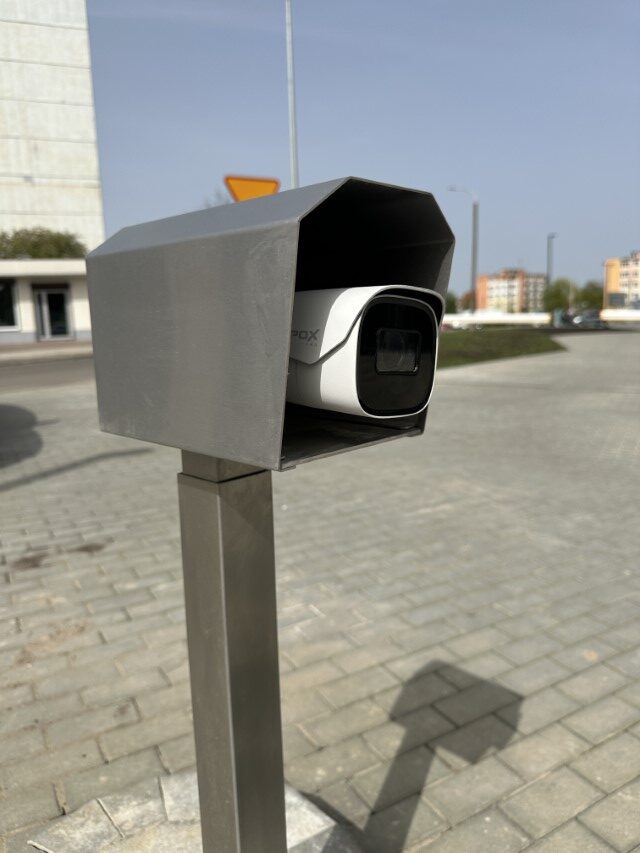
Automated vehicle detection and license plate recognition technologies streamline parking operations. These systems enable efficient monitoring, enforcement, and revenue collection. Additionally, integrating access control systems, such as parking access control machines and access control pedestals, enhances safety and security by managing access for authorized users.
Efficient Parking Enforcement and Revenue Collection
Automated detection and recognition systems improve parking enforcement by identifying vehicles and ensuring compliance. This leads to better revenue collection and reduced instances of parking violations.
Integration with Parking Management Systems
Integrating detection and recognition technologies with parking management systems enhances operational efficiency. These systems provide real-time data and analytics, supporting informed decision-making.
Mobile Payments and Digital Permits for Seamless Parking
Contactless Payment Options for Easy Parking
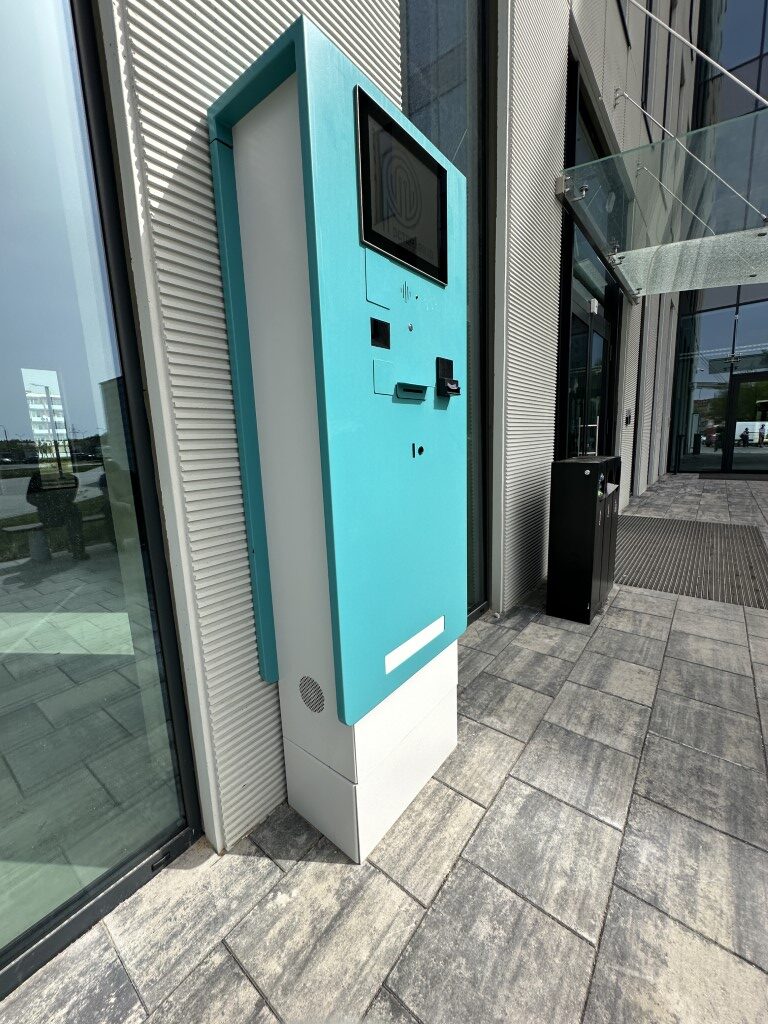
Mobile payment solutions offer convenience and speed, allowing drivers to pay for parking through their smartphones. Contactless options reduce the need for cash transactions and physical contact. Automated parking systems designed for parking lots often include smart parking systems, parking payment machines, and access control systems to further enhance the parking experience.
Digital Permits and Virtual Parking Passes

Digital permits and virtual parking passes streamline access and payment processes. These technologies offer flexibility and convenience for both drivers and parking operators.
Integration with Mobile Apps and Parking Management Systems
Integrating mobile payments and digital permits with parking management systems enhances user experience and operational efficiency. These integrations provide seamless access, payment, and monitoring capabilities.
Parking System Optimization
Cloud-Based Solutions for Scalability and Flexibility
Parking Management Systems for Scalability
Cloud-based parking management systems offer a scalable and flexible parking solution, accommodating the needs of different parking facilities. These systems support remote management and real-time updates.
Flexible and Customizable Solutions for Various Parking Needs
Cloud-based solutions can be customized to meet specific requirements, ensuring that parking systems are tailored to the unique needs of each facility.
Integration with Existing Infrastructure and Systems
Integrating cloud-based parking solutions with existing infrastructure ensures a seamless transition and minimal disruption. These systems enhance operational efficiency and improve user experience.
Implementing Efficient Parking Solutions
Cost-Benefit Analysis and ROI Evaluation
Detailed Cost-Benefit Analysis and ROI Evaluation
Conducting a thorough cost-benefit analysis and ROI evaluation helps stakeholders understand the financial implications and benefits of implementing efficient parking systems. These assessments identify potential cost savings and revenue growth opportunities. Effective management of parking operations is crucial for maximizing these benefits.
Identification of Potential Cost Savings and Revenue Growth
Efficient parking systems offer various cost-saving and revenue-generating opportunities. Identifying these potential benefits supports informed decision-making and strategic planning.
Customized Implementation Plans for Optimal Results
Customized implementation plans ensure that parking systems are tailored to the specific needs and constraints of each facility. These plans address unique challenges and maximize the effectiveness of the parking solutions.
Overcoming Challenges in Parking System Implementation
Addressing Common Challenges and Obstacles
Implementing efficient parking systems involves overcoming various challenges and obstacles. Addressing these issues proactively ensures a smooth transition and successful implementation. Providing services like valet parking can significantly enhance customer satisfaction by offering professional, courteous, and helpful staff, which positively impacts the overall experience.
Collaboration with Stakeholders and Experts
Collaborating with stakeholders and industry experts is crucial for the successful implementation of parking systems. These partnerships provide valuable insights and support throughout the process.
Phased Implementation for Minimal Disruption
Phased implementation strategies minimize disruption to existing operations and ensure a seamless transition to optimized parking systems. This approach allows for gradual adjustments and improvements.
Case Studies and Success Stories
Tertio Ponte: A Model for Efficient Parking
The Tertion Ponte parking facility in Poland showcases the benefits of efficient parking systems. With 400 parking spaces in a compact and efficient design, this facility demonstrates sustainable parking solutions and energy-efficient features. The result is increased revenue and an enhanced user experience.
The Future of Parking
Trends and Innovations in Parking Technology
Autonomous Vehicles and Smart Cities
The future of parking is closely linked to the development of autonomous vehicles and smart cities. These technologies promise to revolutionize parking soultion, offering seamless and efficient parking experiences.
Integration with Emerging Technologies like AI and IoT
Emerging technologies such as artificial intelligence (AI) and the Internet of Things (IoT) are transforming parkings. These innovations enhance safety, security, and operational efficiency.
Enhanced Safety and Security Features
Future parking systems will incorporate advanced safety and security features, ensuring the protection of vehicles and users. These enhancements will contribute to a safer and more secure parking environment.
The Potential of Autonomous Vehicles and Smart Cities
Seamless Parking Experience with Autonomous Vehicles
Autonomous vehicles will play a significant role in shaping the future of parking. These vehicles can navigate and park autonomously, reducing the need for traditional parking solutions and improving efficiency.
Integration with Smart City Infrastructure and Systems
Integrating parking systems with smart city infrastructure will enhance urban mobility and sustainability. These integrations support real-time data sharing and coordinated traffic management.
Enhanced Safety and Security Features
Autonomous vehicles and smart city integrations will enhance safety and security features in parking systems. These advancements will contribute to a safer and more efficient urban environment.
Optimizing Parking Systems for a Better Urban Future
Efficient parking systems are crucial for sustainable urban development. By optimizing parking operations, cities can enhance user experiences, increase revenue, and reduce environmental impact. The integration of emerging technologies and innovative solutions will further improve the efficiency and effectiveness of urban parking systems, paving the way for a better urban future.
How Can we help You ?
Are You looking for a solution tailored to your needs?
Contact us :